Latest from BCA Research

We consider several uncertainties in this week’s report, from the interest rate outlook to the source of the mountain of cash households have amassed since the pandemic began. We have not adjusted our tactical asset-allocation recommendations but will do so soon to align with the defensive cast of our cyclical recommendations.
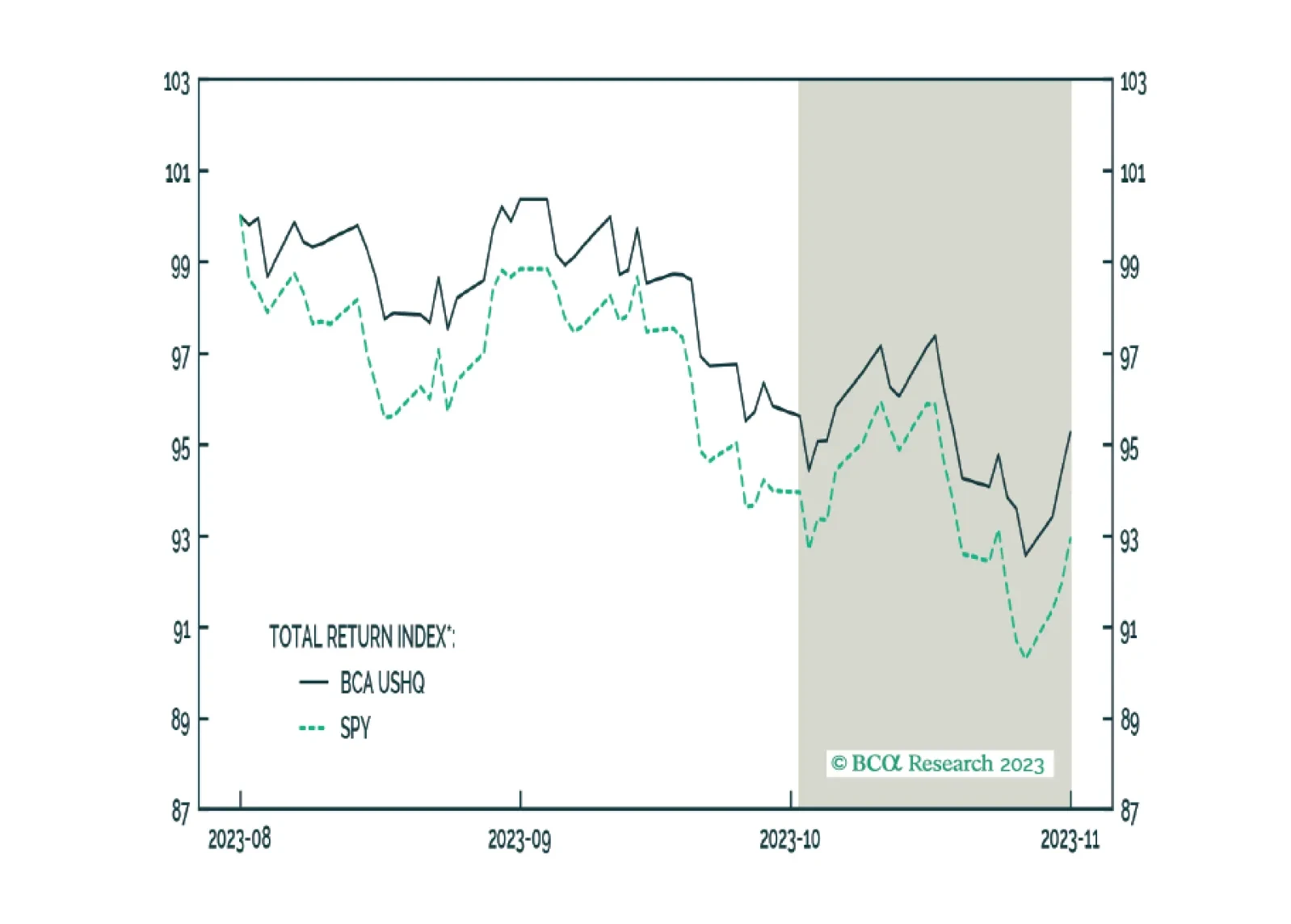
Both USHQ portfolios outperformed inline with their benchmarks and the BCA Score L/S had another strong month. Increased market volatility continues to benefit the BCA Score.
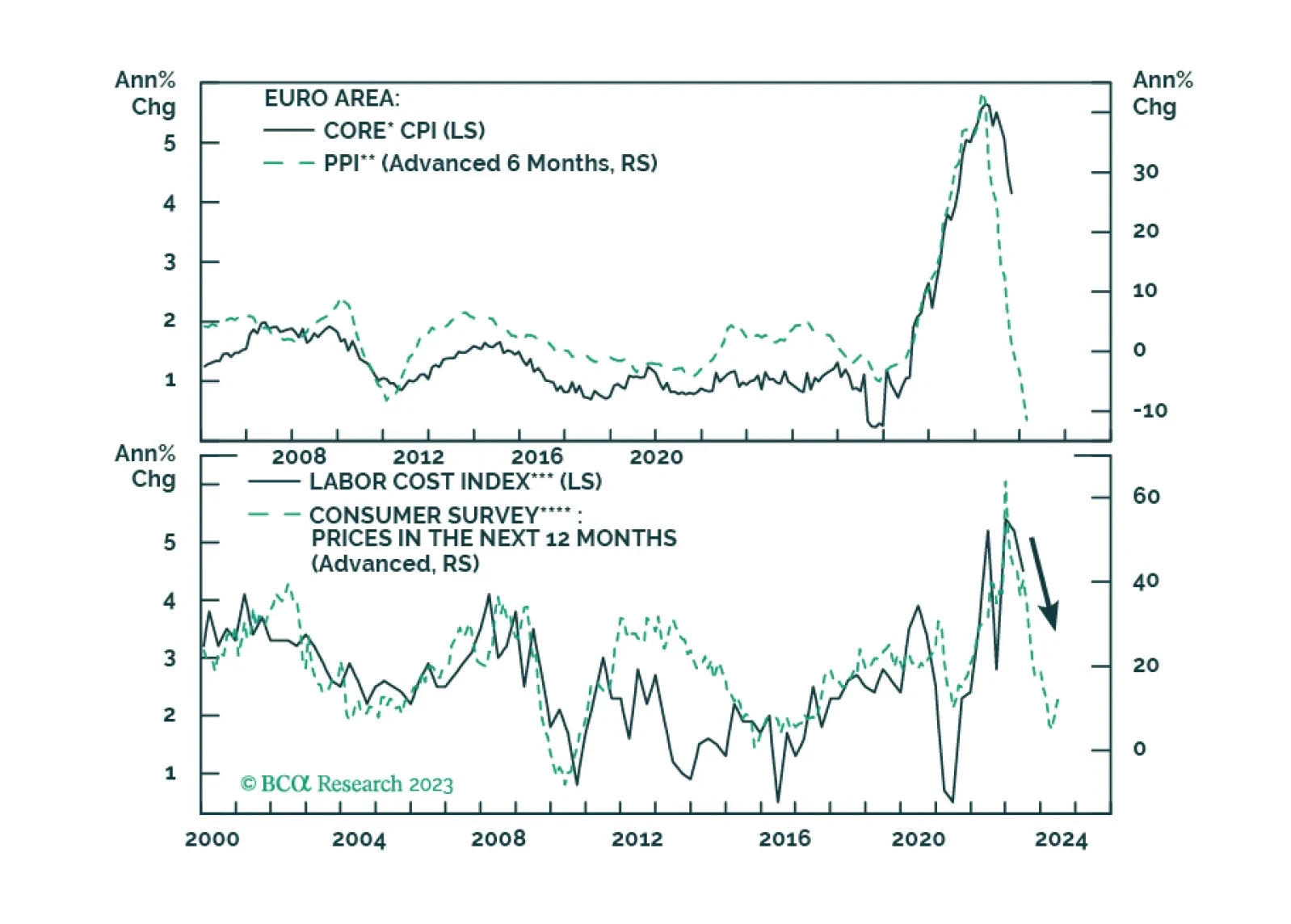
The Eurozone’s inflation will continue to slow over the coming months. While this trend will help Bund prices, will it boost the appeal of European equities?
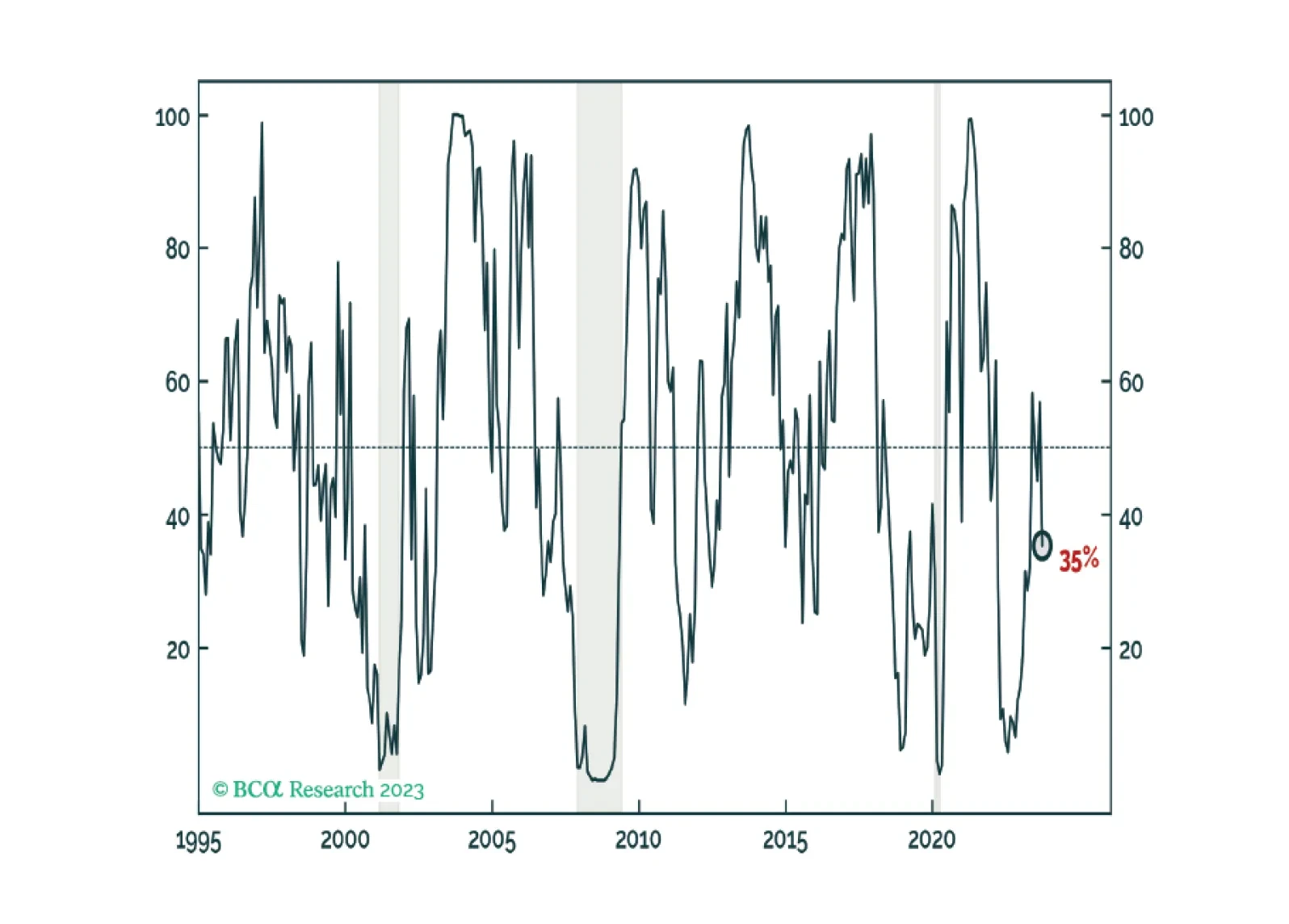
This month the Global Equity Score turned bearish after hovering in neutral territory for a few months. As a result, the sector model upgraded Consumer Staples to bullish. We also explore the remarkable year-to-date performance of the Composite Value Composite Score and propose a screen.

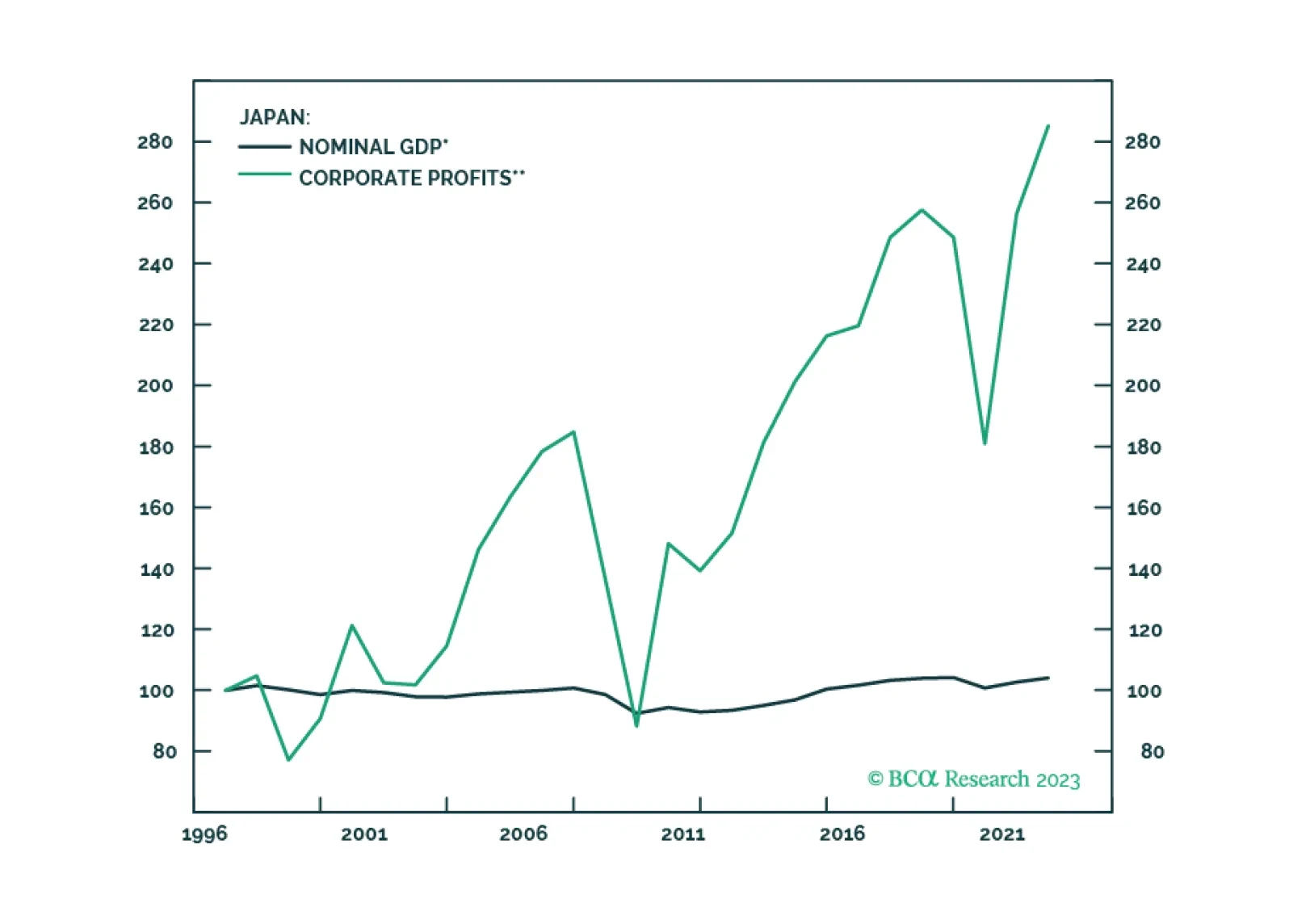
We are approaching another phase transition from boom to bust. Stocks should rally into year-end, but investors should look to reduce equity exposure early next year while increasing bond exposure.
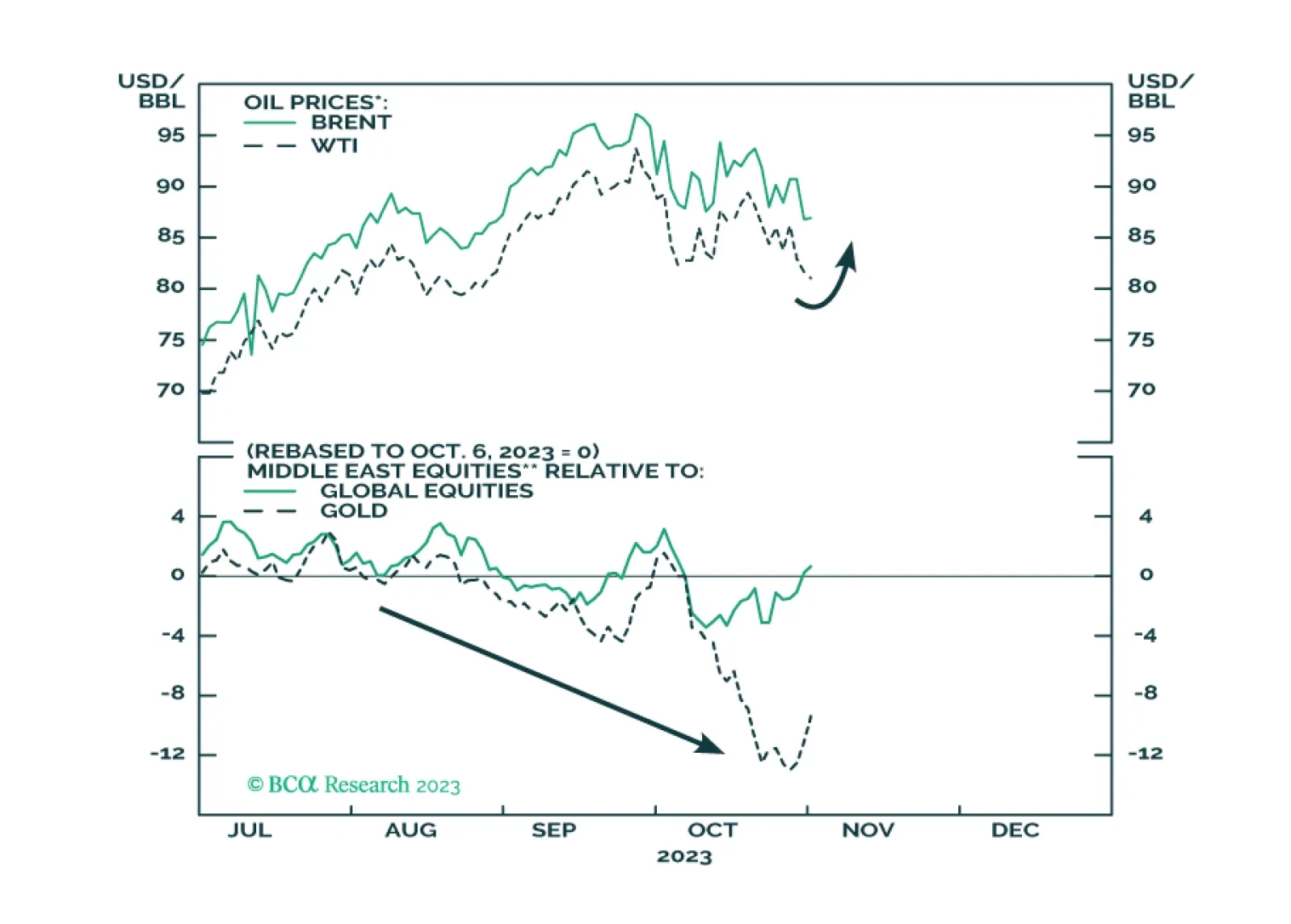
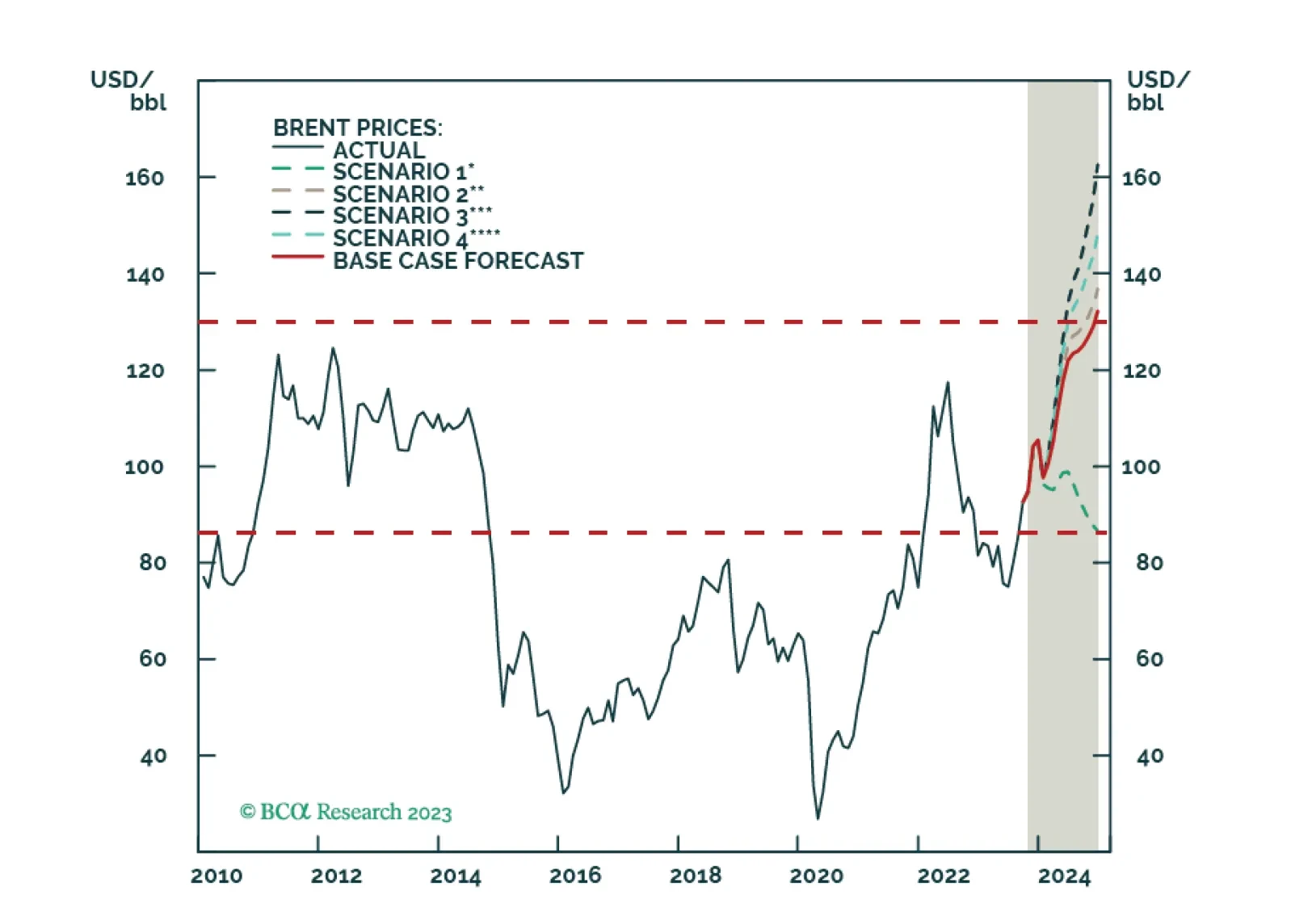
Investors should reduce risk, increase allocation to safe havens, and brace for oil price volatility and supply disruptions stemming from the Middle East over the next zero-to-12 months.
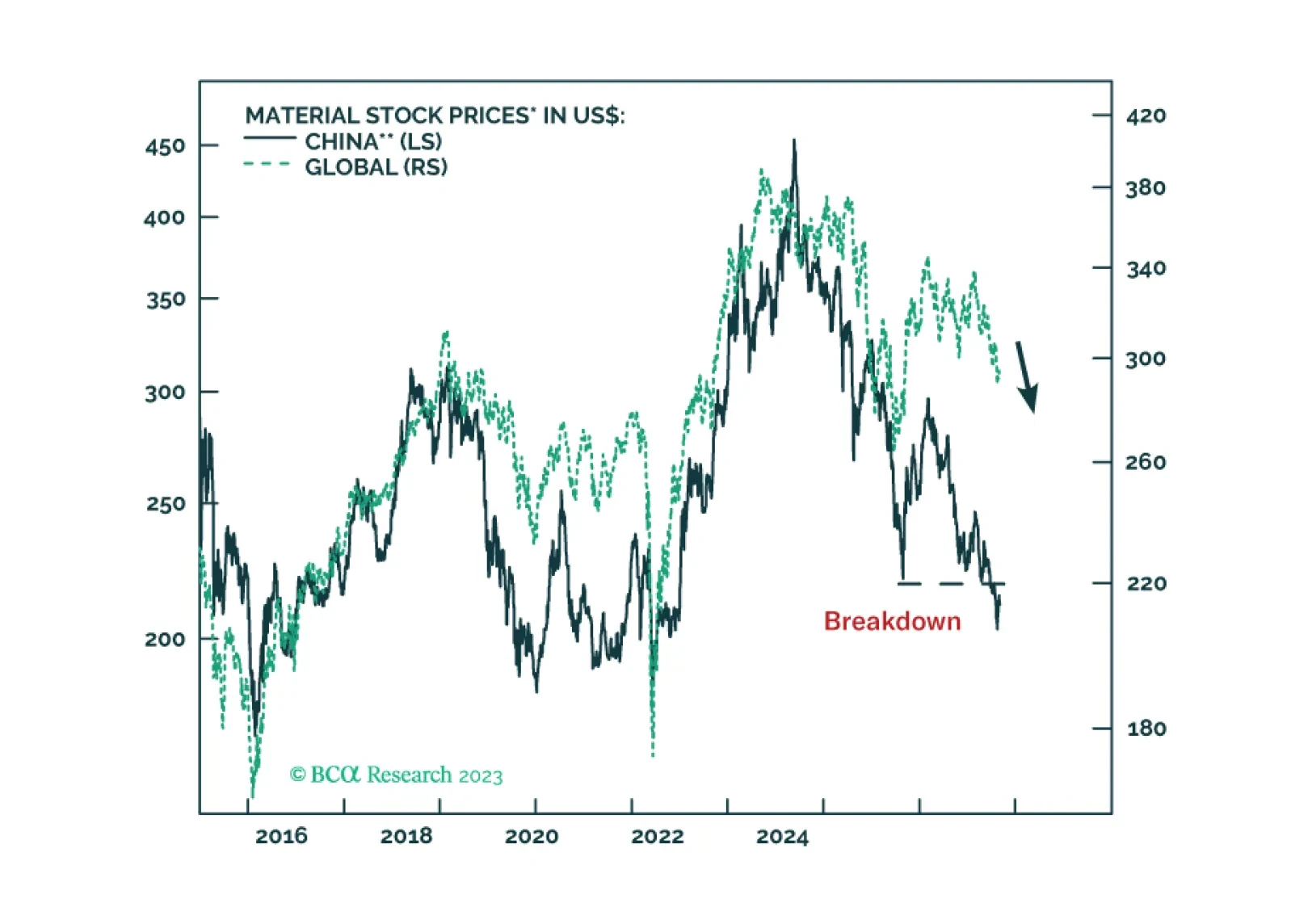
In financial systems, cracks typically begin on the periphery and then expand to the center. Hence, the ruptures on the fringes often act as an early warning. These fissures tend to widen and spread to the core, causing a breakdown in the S&P 500. Investors should consider buying US Treasurys aggressively when the S&P 500 slips below 4,000.
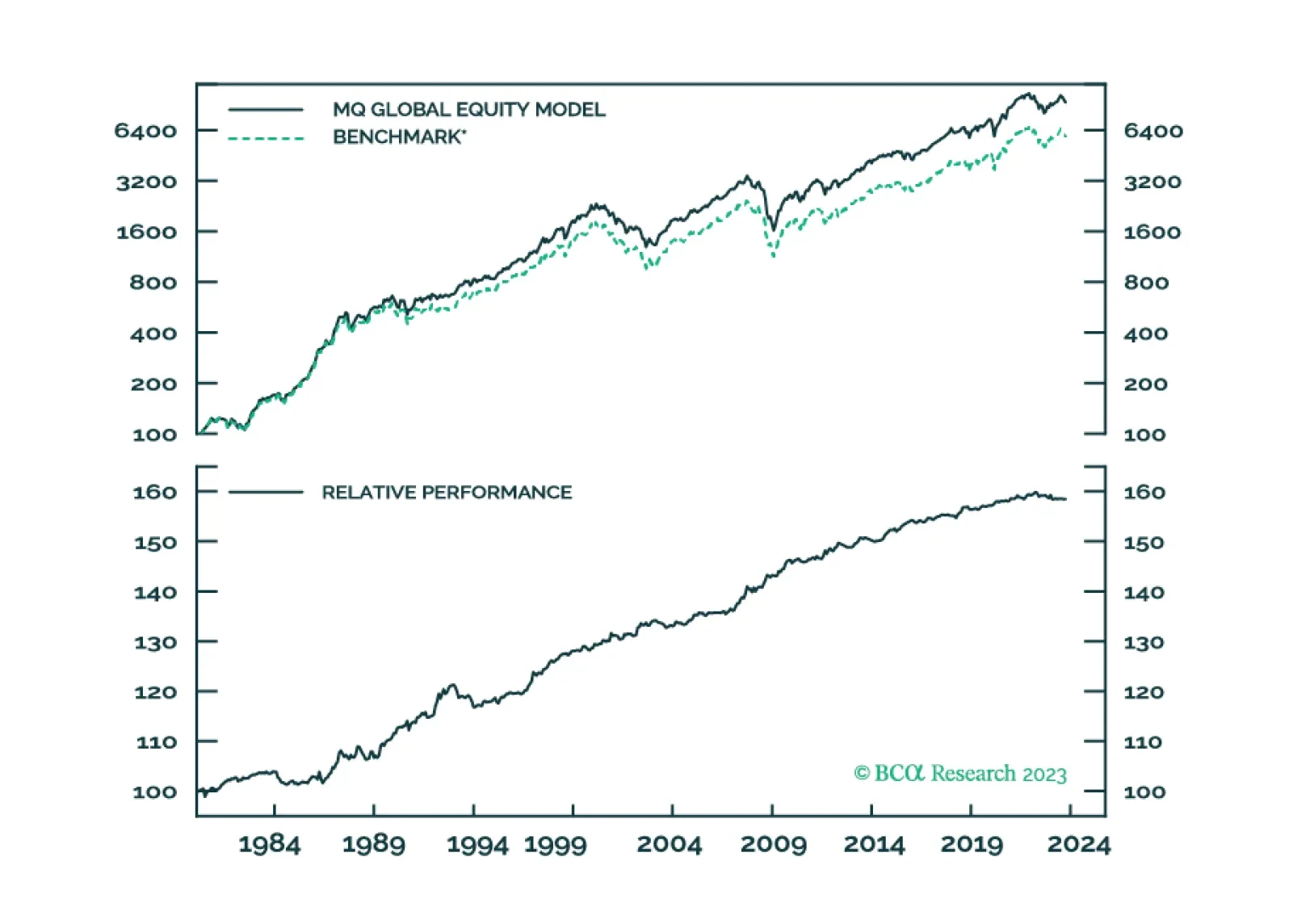
MacroQuant is holding a near neutral positioning with a slight tilt towards equities and bonds and away from cash.